The God of War franchise has remained a PlayStation cornerstone across four console generations. When Kratos' vengeful ascent to godhood began in 2005, few predicted how radically this antihero would evolve over two decades. While many franchises struggle maintaining relevance across gaming eras, God of War thrived through constant reinvention. The defining transformation came with 2018's reboot, transplanting Kratos from Greek mythology to Norse legends while revolutionizing gameplay and presentation. Yet even before this acclaimed refresh, developer Sony Santa Monica implemented subtle but impactful changes that preserved the series' vitality.
Future success will demand continued innovation. During the Norse transition, director Cory Barlog envisioned expanding to Egyptian and Mayan mythologies - rumors now circulating about an Egyptian setting highlight fan enthusiasm for exploring the pyramids' rich mythological heritage. However, mere location changes aren't enough; future installments must reinvent as thoroughly as the Greek-to-Norse transition did.
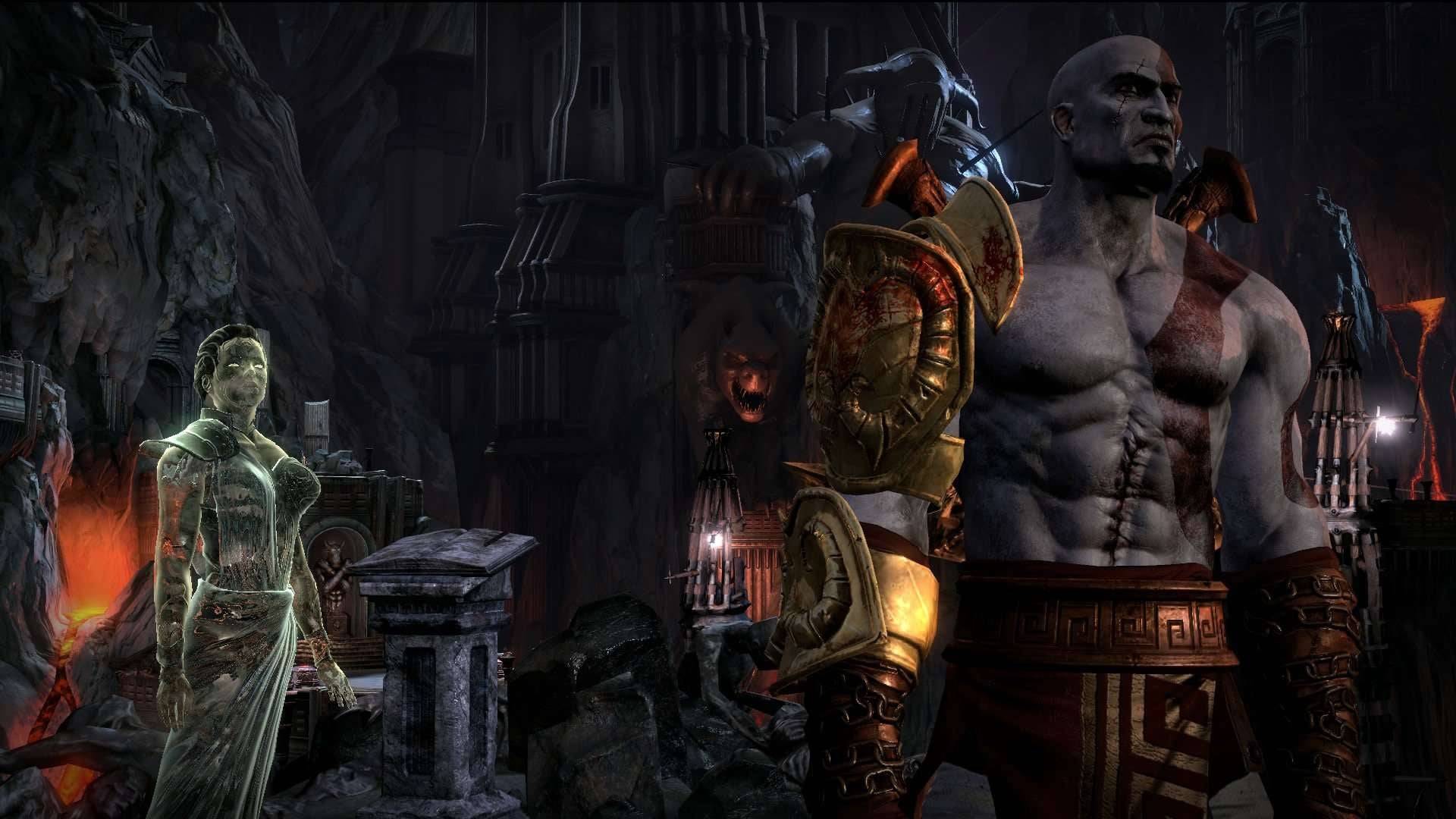
The original Greek trilogy demonstrated steady evolution across a decade, polishing its hack-and-slash combat to perfection by God of War 3's release. For its PlayStation 3 debut, the series introduced refined magic systems complementing melee combat, diverse enemy types, and cinematic camera angles showcasing groundbreaking 2010 graphics.
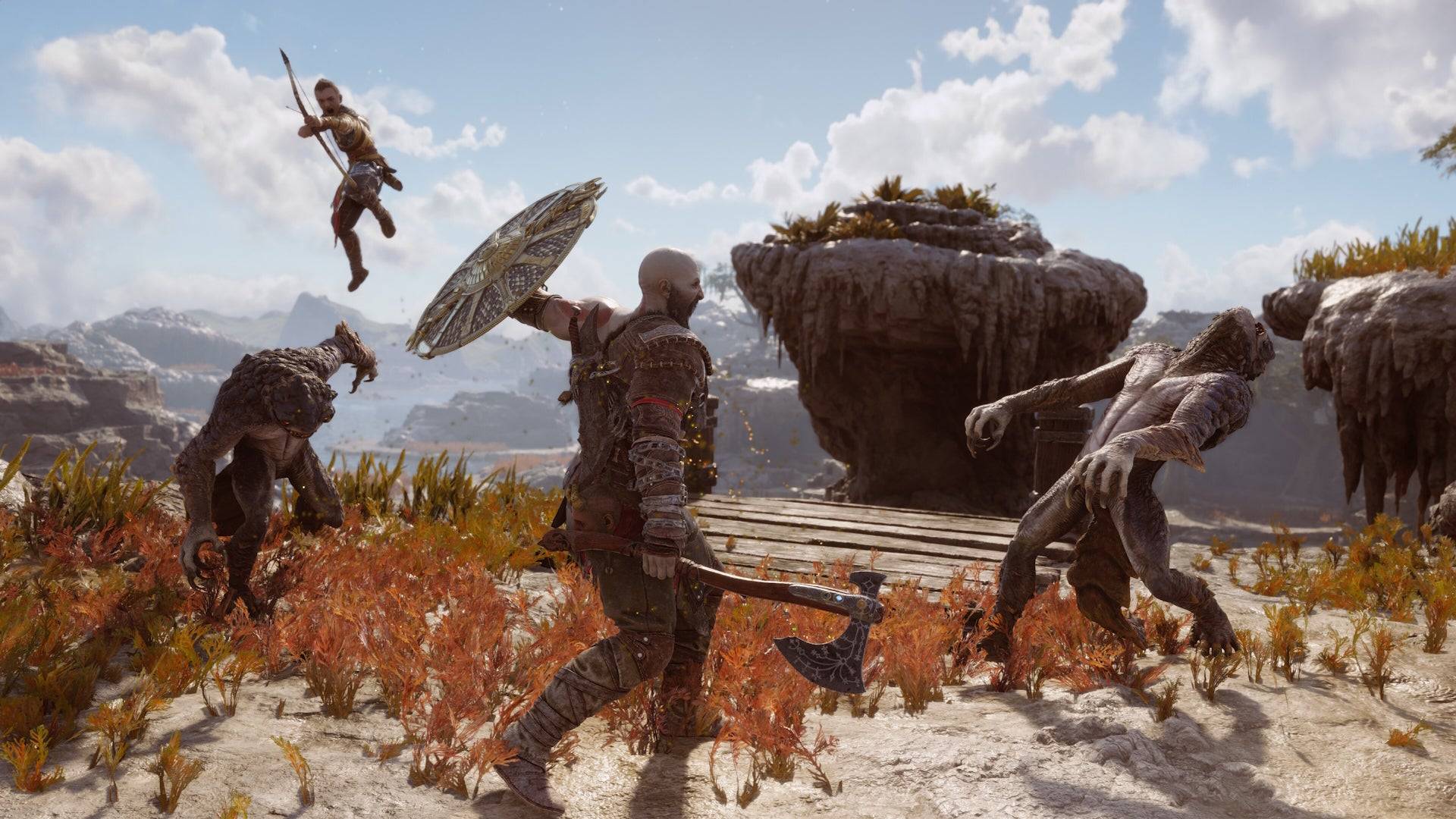
The 2018 reboot abandoned several Greek-era staples. Platforming sections vanished with the new over-the-shoulder camera perspective, while puzzles were redesigned to suit the adventure-first approach. Yet the Valhalla DLC cleverly revived classic battle arenas - adapting them for Norse mythology while poetically connecting Kratos' journey to confront his past.
The Norse saga introduced revolutionary mechanics like the Leviathan Axe's recall system, sophisticated shield-based parrying, and Ragnarök's magical spear for rapid assaults. Players explored the Nine Realms, each offering unique visual identities and enemy varieties.
The most transformative evolution occurred narratively. Where Greek-era Kratos embodied rage, the Norse saga explored profound grief and fatherhood complexities through his strained relationship with son Atreus. This emotional depth became central to the Norse games' critical and commercial triumph.
The developers' philosophy - viewing Norse games as journey extensions rather than traditional sequels - should guide future installments. Unlike Assassin's Creed's controversial RPG shift (which diluted core assassin fantasy), God of War's reinventions strengthened its identity. By preserving Kratos' essence and combat fundamentals while innovating mechanics and storytelling, the series expanded its appeal without alienating longtime fans.
Whether future installments explore Egypt or other mythologies, they must preserve God of War's successful formula: maintaining Kratos' compelling character arc while innovating gameplay and narrative approaches. The Norse duology's masterful storytelling established a new benchmark - future chapters must build upon this foundation while creating bold, memorable evolutions worthy of becoming the franchise's next definitive era.