The ROG Ally, a compelling Steam Deck alternative, shines with its Windows OS and expanded game library. The 2023 ROG Ally X upgrade boasts superior internals and enhanced ergonomics, thanks to improved cooling.
While its portability is a key feature, connecting to a larger screen for a more immersive experience is equally desirable. Both ROG Ally models offer this capability. Below, we detail how to connect your ROG Ally to a TV or monitor, providing step-by-step instructions and recommendations.
Connecting with an Adapter: A Simple Solution
Several methods exist for connecting your ROG Ally, but adapters provide a compact, convenient solution. From small dongles to direct cables and the official ROG Gaming Charger Dock, options abound.
What You'll Need
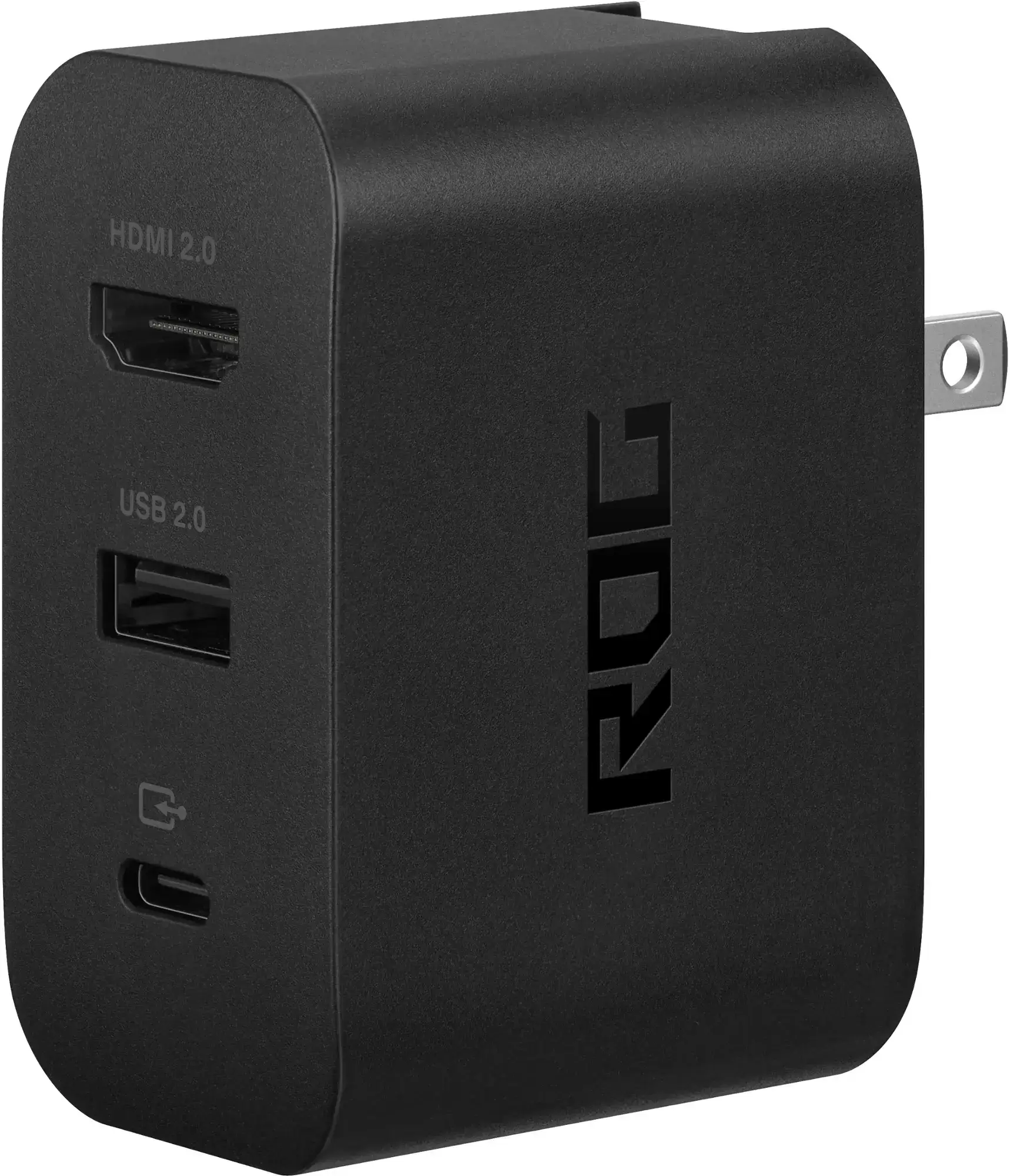 ### ASUS ROG 65W Charger Dock
0Supports HDMI 2.0, USB-A, and USB-C for seamless ROG Ally connectivity.See it at Best BuyASUS simplifies the connection process with its official ROG Gaming Charger Dock, which also functions as a charger. A USB-C and HDMI cable are all that's needed. The dock further includes a USB-A port for mouse/keyboard connectivity.
Third-party USB-C to HDMI adapters offer a direct connection to the ROG Ally's USB-C port. An HDMI cable links the adapter to your TV or monitor. Alternatively, a single USB-C to HDMI cable eliminates the need for an adapter.
Note: Some adapters include a passthrough USB-C port for charging. If so, an additional USB-C cable and power adapter are required for charging while connected to an external display.
Step-by-Step Instructions:
- Plug a USB-C to HDMI adapter (or cable) into the ROG Ally's top USB-C port. For the ROG Gaming Charger Dock, connect a USB-C cable between the Ally and the dock's USB-C port.
- Connect an HDMI cable from the adapter (or dock) to your TV/monitor's HDMI port. For a direct USB-C to HDMI cable, connect directly to the TV/monitor.
- (Optional) If your adapter has a passthrough USB-C port, connect your power adapter for charging.
- Power on the ROG Ally; video output should be automatic.
- Select the correct HDMI input on your TV/monitor.
Connecting with a Docking Station: A More Immersive Setup
For a Nintendo Switch-like experience, consider a docking station. While an official dock (beyond the charging dock) isn't available, numerous third-party options exist, offering a stand for the Ally and charging capabilities.
What You'll Need
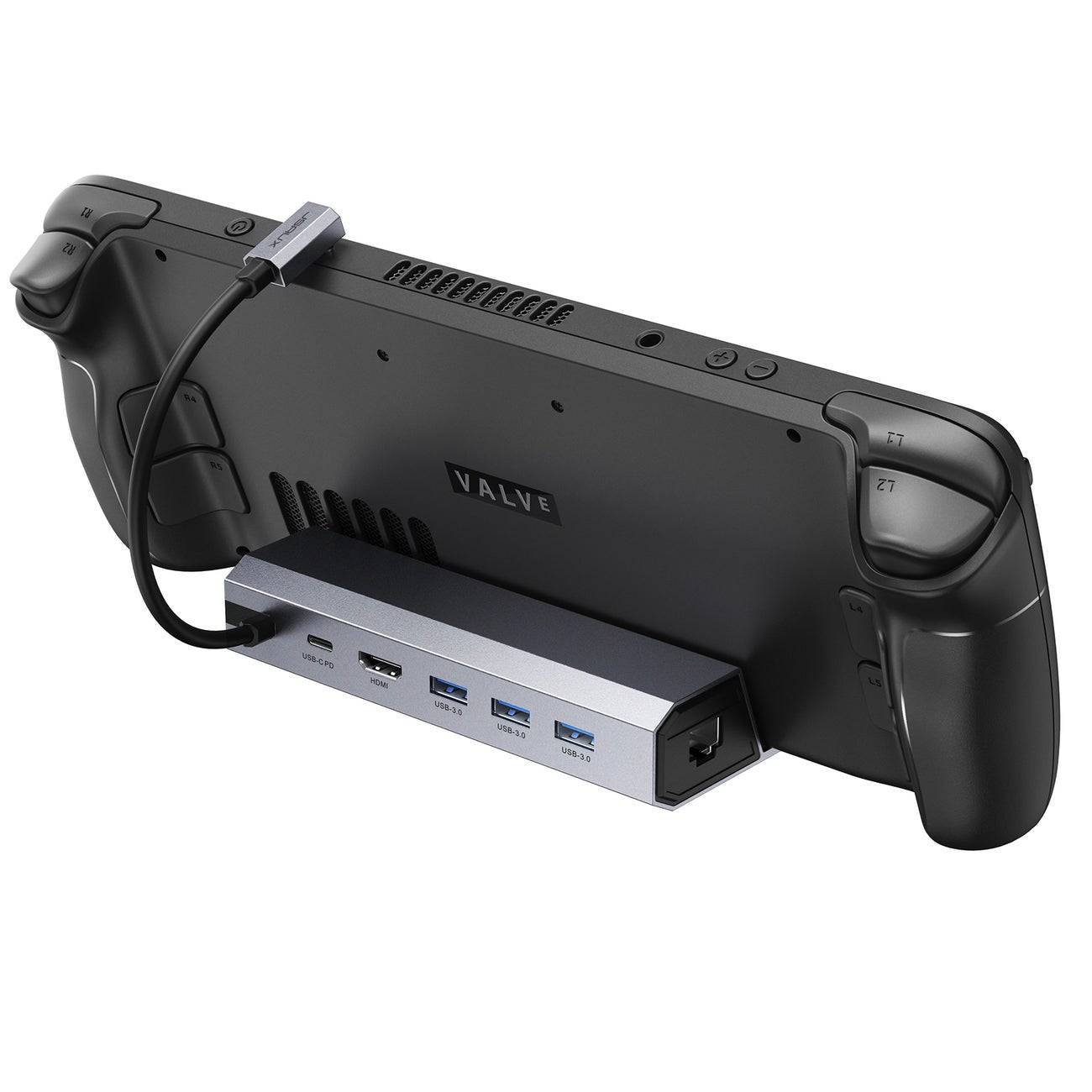 Our Top Pick### JSAUX Docking Station HB0603
2100 watts of power for fast charging and multiple ports. This lightweight, compact dock also functions as a stand.See it at AmazonBasic docks typically include an HDMI port and a USB-C passthrough charging port. More advanced docks may offer additional USB ports, Ethernet, SD card slots, and even DisplayPort for multiple displays. Smaller, portable docks are ideal for travel. Many Steam Deck docks are also compatible with the ROG Ally.
Step-by-Step Instructions:
- Place the ROG Ally in the dock.
- Connect the USB-C power cord to the Ally's USB-C port.
- Connect the power adapter to the dock's USB-C charging port.
- Connect an HDMI cable from the dock to your TV/monitor's HDMI port.
- Power on the ROG Ally; video output should be automatic.
- Select the correct HDMI input on your TV/monitor.
Controller Considerations
While mouse and keyboard connectivity is possible, a wireless controller provides a more comfortable large-screen gaming experience. The ROG Ally supports any Bluetooth-enabled controller. Below are some recommendations, compatible with both the ROG Ally and Steam Deck.
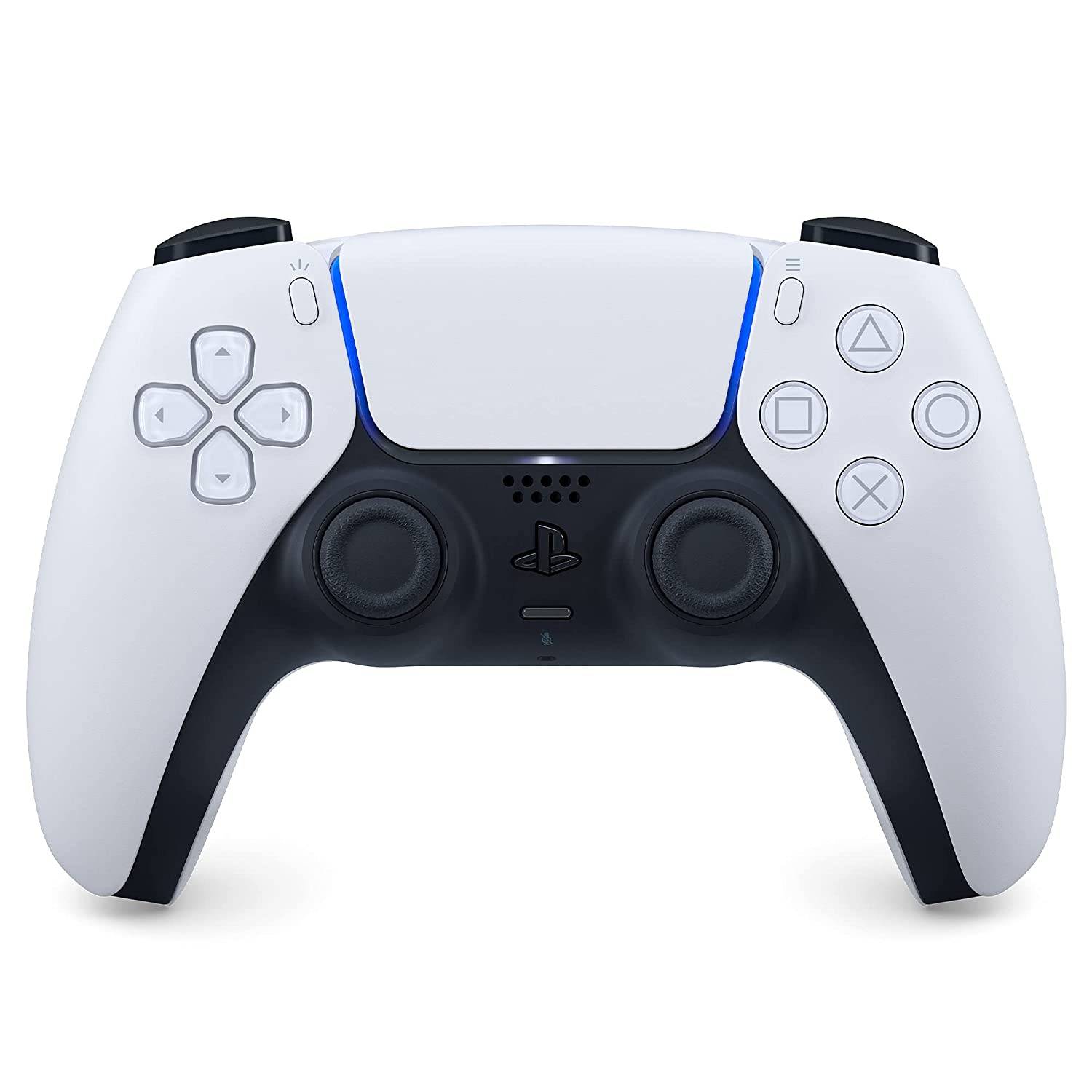 Our Top Pick### Sony DualSense
1See it at AmazonSee it at Best BuySee it at Target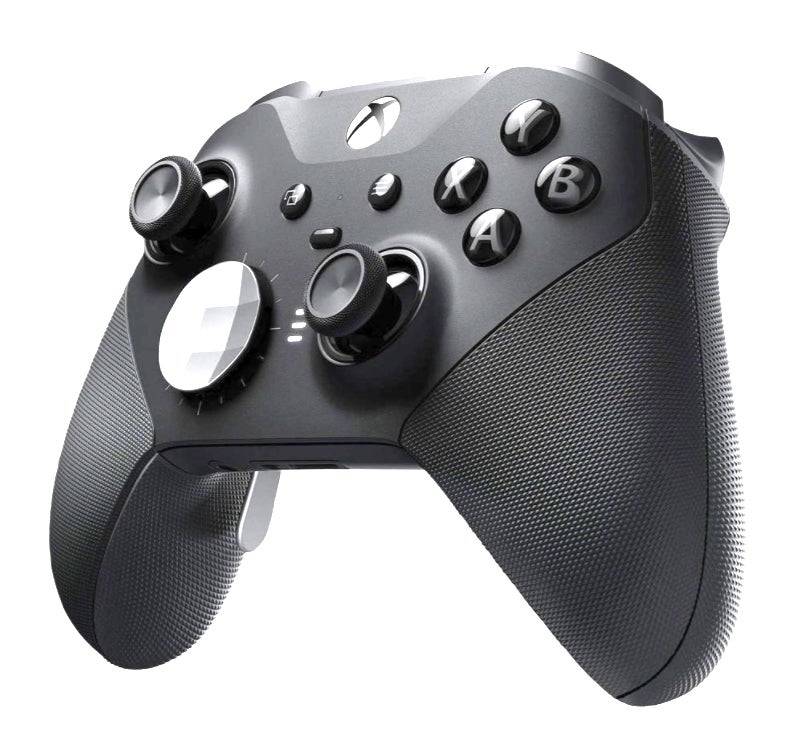 ### Xbox Elite Series 2 Controller
4See it at AmazonSee it at Best Buy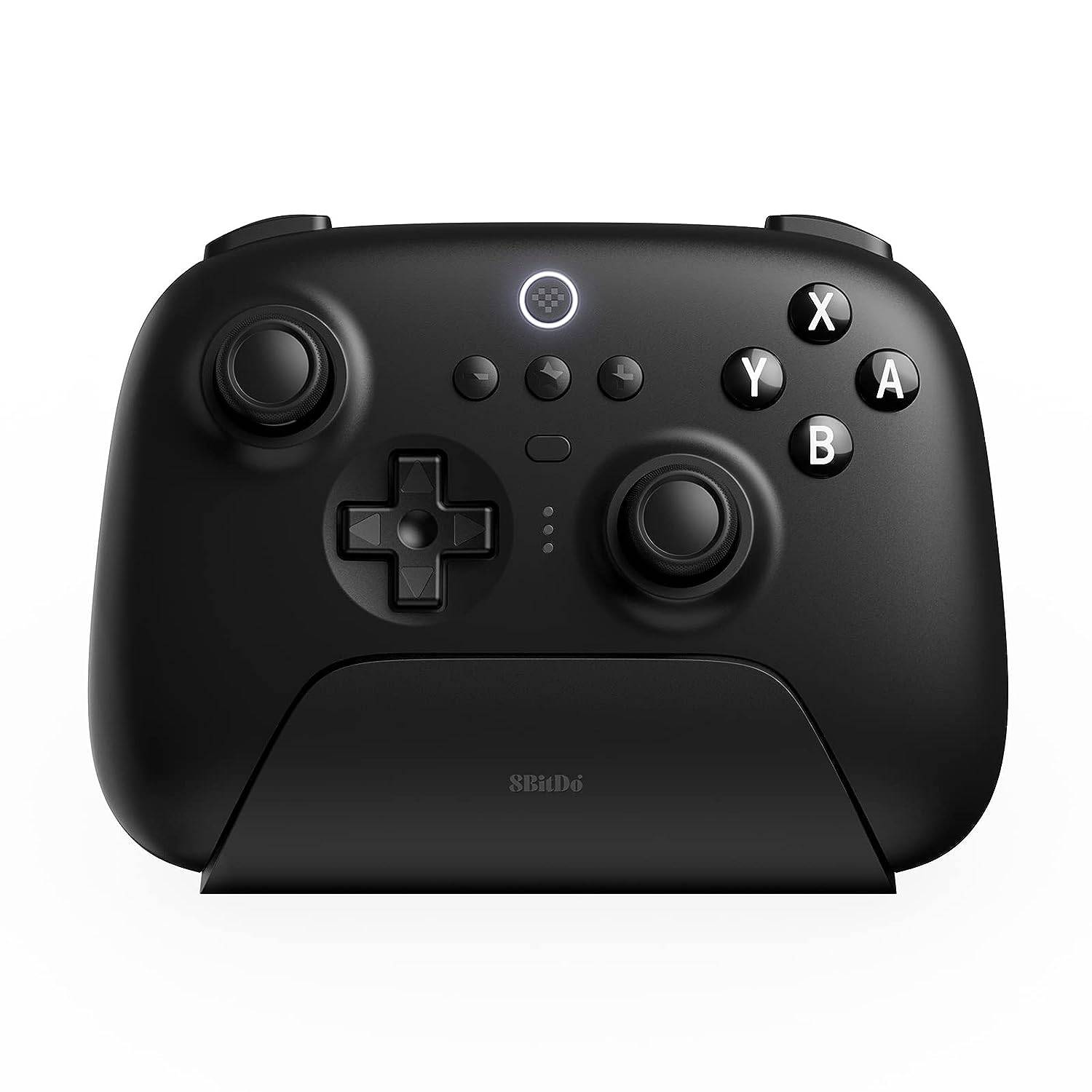 ### 8BitDo Ultimate Controller
0See it at Amazon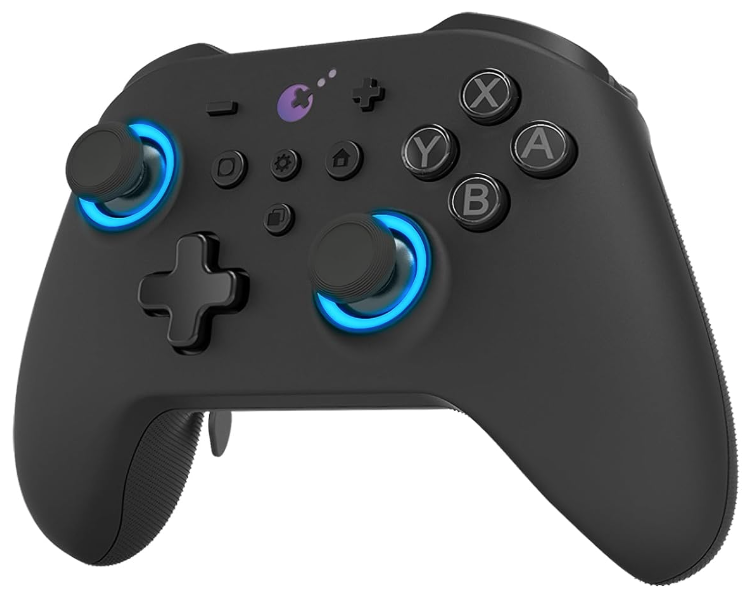 ### GuliKit KingKong 3 Max Controller
1See it at Amazon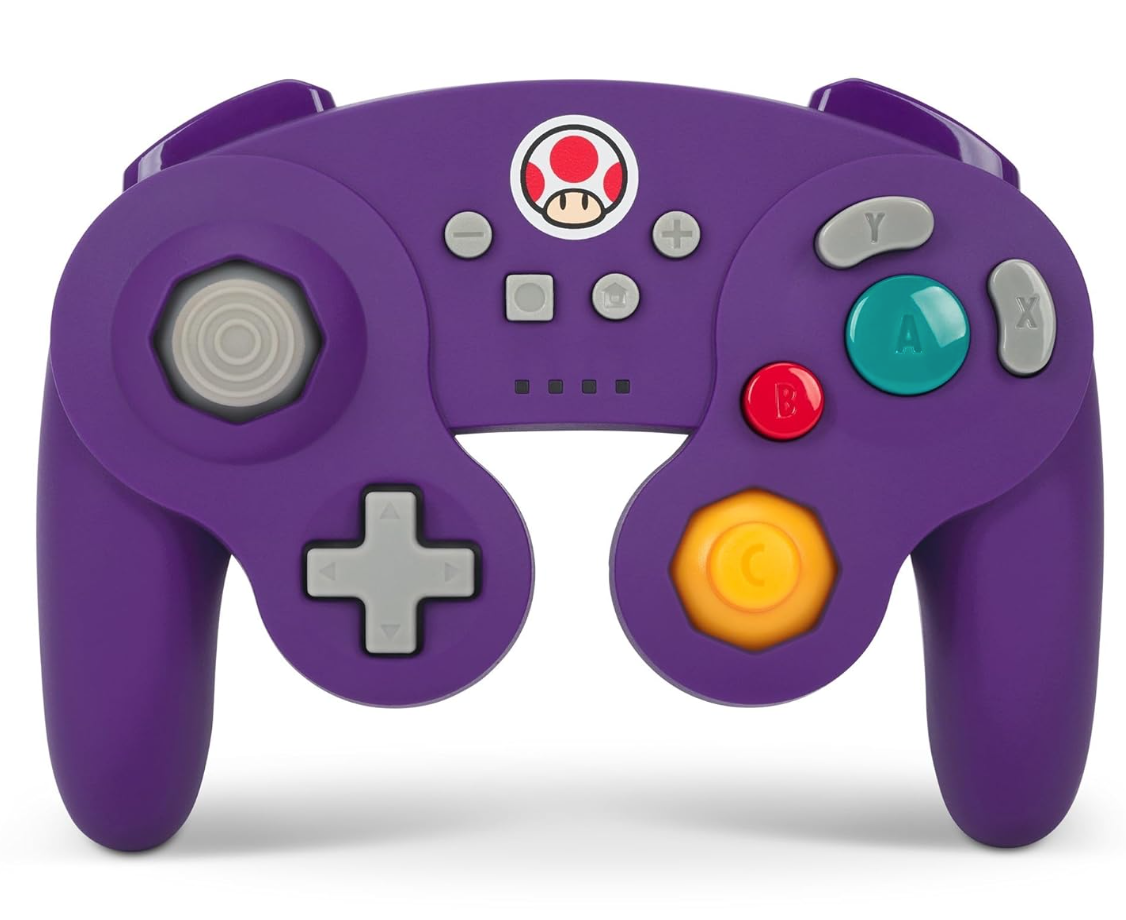 ### PowerA Wireless GameCube Style Controller
2See it at AmazonOptions include first-party controllers (DualSense, Xbox Wireless, Switch Pro), and numerous third-party choices. 2.4GHz wireless controllers often offer lower latency and better range than Bluetooth. Wired USB controllers are also viable for close proximity setups.